
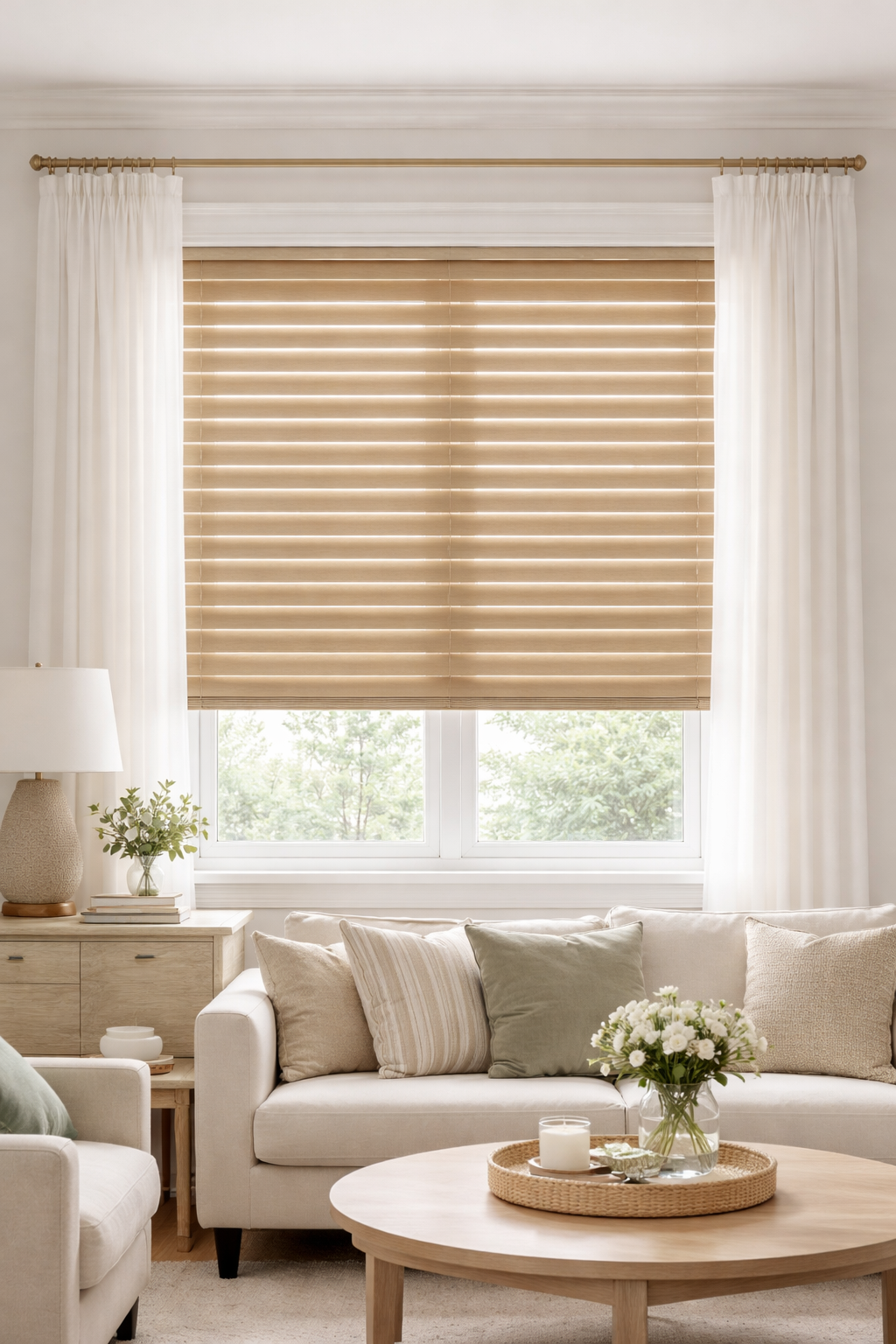
Selecting the right window blinds is a crucial decision in home design, as blinds affect aesthetics, functionality, light control, privacy, and energy efficiency. Among the most popular options are aluminum blinds and wood blinds. Both have unique benefits, drawbacks, and ideal applications. This guide provides a detailed comparison to help homeowners make an informed choice.
1. Understanding Aluminum Blinds
Aluminum blinds are constructed from thin, lightweight metal slats, typically ranging from 1 inch to 2 inches in width. They are coated with a protective finish that prevents corrosion and increases durability. Aluminum blinds are widely used due to their affordability, ease of maintenance, and suitability for various interior styles.
Key Features of Aluminum Blinds:
- Lightweight: Easy to install and operate.
- Affordable: Lower cost than wood, making them suitable for large spaces or budget-conscious projects.
- Moisture-Resistant: Ideal for areas with high humidity, such as kitchens, bathrooms, or laundry rooms.
- Easy Maintenance: Can be cleaned with a simple wipe using a damp cloth.
- Variety of Colors and Finishes: Available in metallic, matte, or painted finishes for customization.
Aluminum blinds are especially popular in modern and minimalist interior designs due to their clean lines and metallic sheen. They offer a contemporary look while remaining functional.
2. Understanding Wood Blinds
Wood blinds are made from natural hardwoods such as basswood, oak, or maple. They are favored for their warmth, texture, and classic appeal. Wood blinds can be stained, painted, or left in their natural finish to complement a room’s décor.
Key Features of Wood Blinds:
- Natural Appearance: Adds richness, texture, and elegance to interiors.
- Customizable: Can be stained or painted to match furniture or trim.
- Durable: High-quality wood blinds can last for many years with proper maintenance.
- Insulating Properties: Wood acts as a natural insulator, helping maintain indoor temperature.
Wood blinds are ideal for formal spaces such as living rooms, dining rooms, and bedrooms, where aesthetics and sophistication are priorities. They are often used in homes aiming for a traditional, transitional, or rustic design.
3. Aesthetic Considerations
The visual effect is one of the main factors in choosing between aluminum and wood blinds.
- Aluminum Blinds: Provide a sleek, modern appearance suitable for contemporary or industrial-style interiors. They reflect light slightly, creating a bright and clean effect. Aluminum blinds are often preferred for offices, kitchens, and areas requiring low-maintenance solutions.
- Wood Blinds: Offer a classic and warm look, with visible wood grain that adds depth and character to a room. Wood blinds complement traditional, transitional, and rustic décor, making spaces feel more inviting.
In terms of aesthetics, the decision depends on the desired atmosphere: minimalist and modern spaces benefit from aluminum, while warm and elegant spaces benefit from wood.
4. Durability and Maintenance
Durability and ease of maintenance are critical factors when selecting blinds.
Aluminum Blinds:
- Highly resistant to moisture, making them suitable for bathrooms, kitchens, or laundry areas.
- Do not warp, crack, or fade easily.
- Can be wiped clean with minimal effort.
- Lightweight and durable for long-term use.
Wood Blinds:
- Durable in dry, climate-controlled environments.
- Require regular dusting or vacuuming to maintain appearance.
- Sensitive to moisture, direct sunlight, and humidity; improper exposure can cause warping or cracking.
- Strong and sturdy, providing a solid, high-quality feel.
Recommendation: Aluminum blinds are better for high-humidity areas or spaces requiring low maintenance. Wood blinds are suitable for dry, controlled environments where style is a priority.
5. Light Control and Privacy
Both aluminum and wood blinds allow for precise light control and privacy. By tilting the slats, users can adjust the amount of natural light entering a room and control visibility from outside.
- Aluminum Blinds: The thin, lightweight slats offer flexible light control and complete privacy when fully closed.
- Wood Blinds: The thicker slats provide enhanced light blocking and slightly better insulation, contributing to energy efficiency.
Both types can be paired with curtains or draperies for added privacy and style.
6. Energy Efficiency and Insulation
Energy efficiency is increasingly important for homeowners looking to reduce heating and cooling costs.
- Wood Blinds: Provide natural insulation due to the density of the wood. They reduce heat loss during winter and limit heat gain in summer, supporting energy savings.
- Aluminum Blinds: Offer less insulation than wood but are still effective for controlling sunlight and reducing glare. They work well in combination with thermal curtains for improved efficiency.
For homeowners prioritizing insulation and energy savings, wood blinds provide a clear advantage.
7. Cost Considerations
Budget is a significant factor when choosing between aluminum and wood blinds.
- Aluminum Blinds: Generally less expensive, making them ideal for large-scale installations or budget-conscious homeowners.
- Wood Blinds: Higher cost due to the price of raw materials and craftsmanship. However, the investment can increase the aesthetic value and perceived quality of a home.
When planning, consider both initial cost and long-term value. Aluminum is cost-effective, while wood can be a worthwhile investment in appearance and insulation.
8. Ideal Applications
The best choice depends on the room and function:
Aluminum Blinds:
- Kitchens
- Bathrooms
- Home offices
- Children’s rooms
- Areas requiring moisture resistance and low maintenance
Wood Blinds:
- Living rooms
- Dining rooms
- Bedrooms
- Formal spaces
- Areas where design, warmth, and insulation are priorities
9. Additional Features
Both aluminum and wood blinds can be enhanced with modern features:
- Motorization: Automated blinds provide convenience and allow integration with smart home systems.
- Custom Sizing: Both types can be cut to fit standard or irregularly sized windows.
- Decorative Options: Wood blinds can be stained or painted; aluminum blinds can have different finishes and colors.
These features add functionality and allow homeowners to match blinds to specific design and lifestyle needs.
Final Thoughts on Choosing Between Aluminum and Wood Blinds
The decision between aluminum and wood blinds depends on multiple factors, including room type, budget, maintenance requirements, design preferences, and energy efficiency.
- Choose Aluminum Blinds: For affordability, moisture resistance, low maintenance, and modern aesthetics.
- Choose Wood Blinds: For elegance, warmth, insulation, and traditional or high-end design.
Both types provide functional light control, privacy, and style. Selecting the right material ensures the blinds complement the home’s overall design while meeting practical needs.